- Saturday Sites
- Posts
- Do You Really Need a VPN in 2025?
Do You Really Need a VPN in 2025?
Everything you need to know about Virtual Private Networks

Caleb Chiang
September 27, 2025 • Estimated Reading Time: 3 minutes
Introduction
I’m sure all of you have heard of a VPN before. It’s one of those tools that gets recommended everywhere.
In this article, we’ll break down what a VPN actually is, the benefits it can (and can’t) offer for your privacy, common myths to avoid, and a few solid free options you can try.
By the end, you’ll know if a VPN is worth adding to your privacy toolkit in 2025.
So what is a VPN?
At its core, a Virtual Private Network (VPN) creates a secure, encrypted tunnel between your device and the internet.
Instead of connecting directly to a website or app, your traffic first goes through the VPN’s server, which hides your real IP address and protects your data in transit.
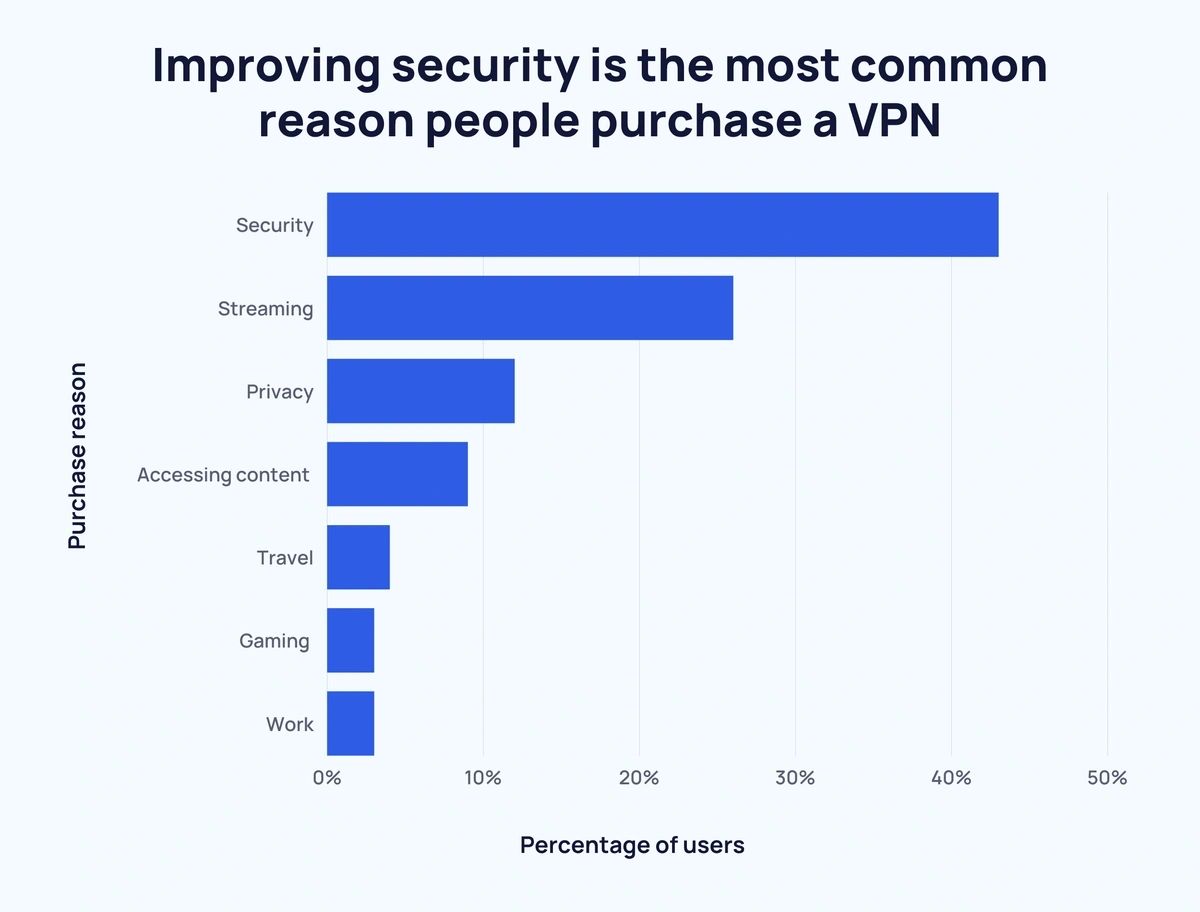
Most people use a VPN to improve security
So why does hiding your IP address matter? Your IP address works like a digital home address. It identifies your device on the internet and reveals your general location, often down to the city you’re in. Websites and advertisers can use it to track your online activity, build a profile on your habits, or restrict content based on where you live.
Common VPN Myths to Avoid
Because VPNs are everywhere in ads and tech blogs, it’s easy to get the wrong idea about what they actually do. Let’s clear up a few common myths:
Myth #1: A VPN makes you completely anonymous online
Simply not true. A VPN hides your IP address and encrypts your connection, but websites can still track you through cookies, browser fingerprints, or accounts you’re logged into. For true anonymity, you’d need additional tools like Tor and even then, nothing is 100%.
Myth #2: A VPN will always speed up your internet
In most cases, a VPN can actually slow your connection slightly because your traffic takes an extra hop through a server. A quality VPN minimizes this, but if a provider claims it will “turbo-charge” your internet, that’s marketing hype.
Myth #3: A VPN makes you immune to hacking
A VPN protects your data in transit, but it doesn’t stop phishing emails, weak passwords, or malware. It’s a tool, not a silver bullet.
🌟 Reader Spotlight
This week’s spotlight isn’t on a tool I stumbled across, it’s one I built myself.
GhostBill is a personal finance app designed to help you take control of your spending, track subscriptions, and never miss a bill again.

The app was just approved from Apple last week!
Most finance apps on the market ask you to link your bank account so they can pull your transactions automatically. The problem? That comes with serious privacy concerns, you’re handing over your banking credentials to a third party.
GhostBill solves that by giving you:
🧾 Quick transaction recording → Instead of linking your bank, you can simply scan receipts to log spending in seconds.
📅 Smart subscription tracking → Add recurring payments to a simple calendar so you always know what’s coming up.
🔔 Bill reminders → Get notified before payments hit, so you’re never caught off guard.
📊 Clean spending overview → See where your money’s going each month without the clutter of bulky finance apps.
And of course, none of your data is sold to advertisers.
👉 Download GhostBill today on the App Store and start managing your money with peace of mind.
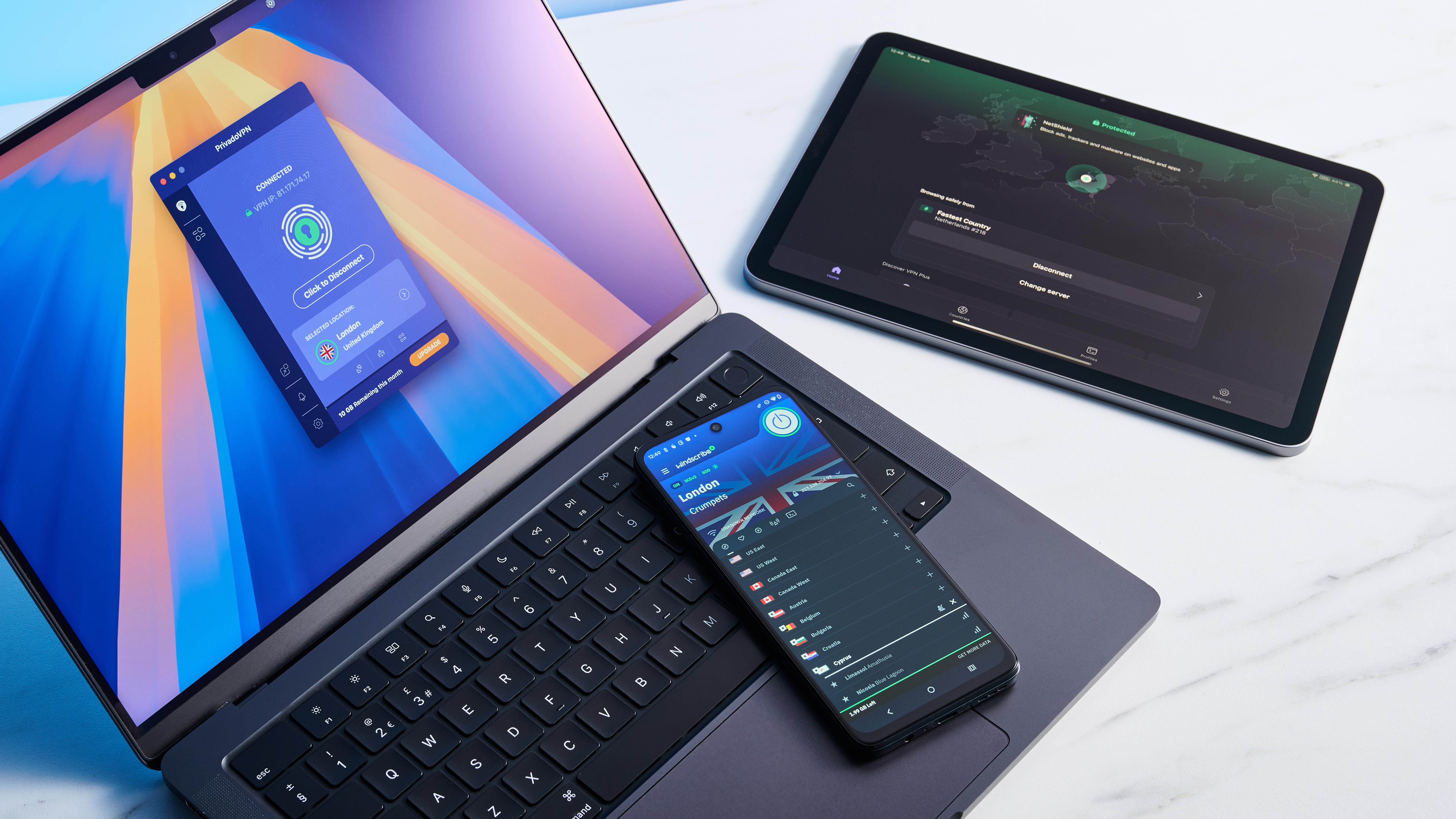
Best Free VPNs on the Market (2025)
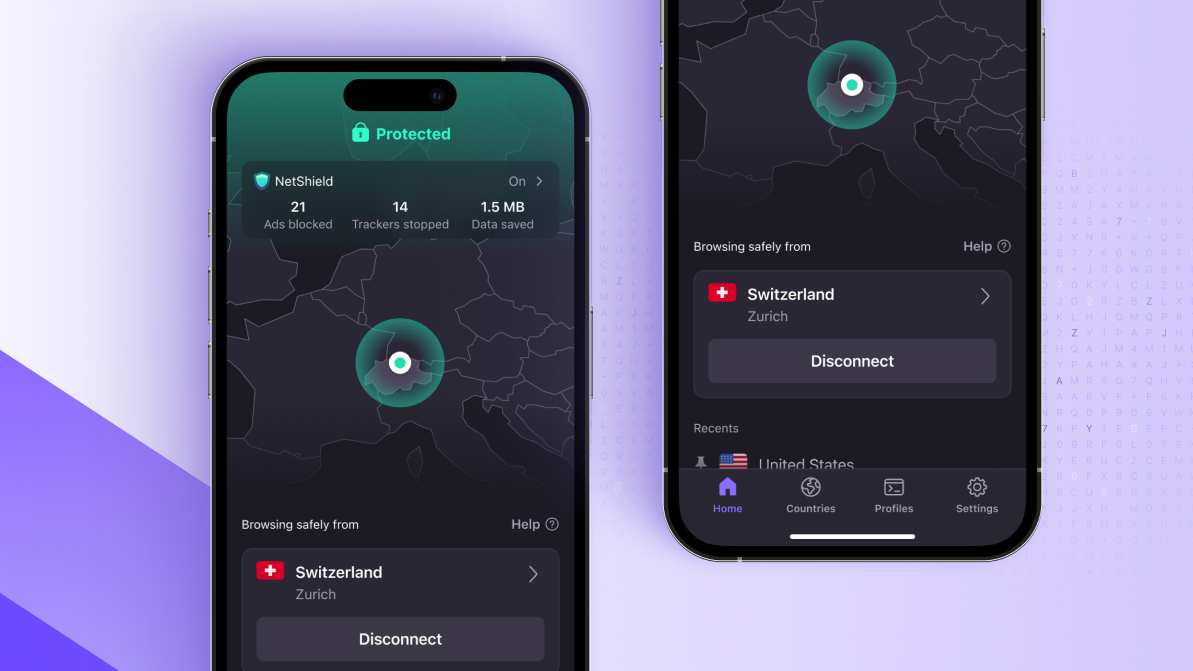
1.) ProtonVPN
No data cap, strong encryption, open-source apps, multiple independent audits supporting its no-logs claim.
2.) PrivadoVPN
Solid free plan with 10 GB data/month, decent geographic coverage (13 locations), ability to unblock some streaming services.
3.) Hide.me
Offers multiple protocols (WireGuard, etc.), generally good privacy practices, and unlimited data for free users (in some plans).
4.) Windscribe
Generous data allotment (often ~10 GB/mo) and good set of features (split tunneling, ad blocking).
Takeaways
A VPN can be a valuable tool in your privacy toolkit, giving you an extra layer of protection by hiding your IP address and encrypting your connection. But it’s not a silver bullet. It won’t make you completely anonymous online, and free options often come with trade-offs like data caps, limited servers, or slower speeds.
The key is to treat a VPN as just one part of your broader privacy strategy, alongside strong passwords, two-factor authentication, and mindful browsing habits.
If you found this issue helpful, share it with a friend who cares about protecting their privacy online.
See you next Saturday,
Caleb
Saturday Sites
Links to related articles: