- Saturday Sites
- Posts
- How To Instantly Spot a Spam Text
How To Instantly Spot a Spam Text
Learn the signs before you click the wrong link.

Caleb Chiang
November 01, 2025 • Estimated Reading Time: 2 minutes
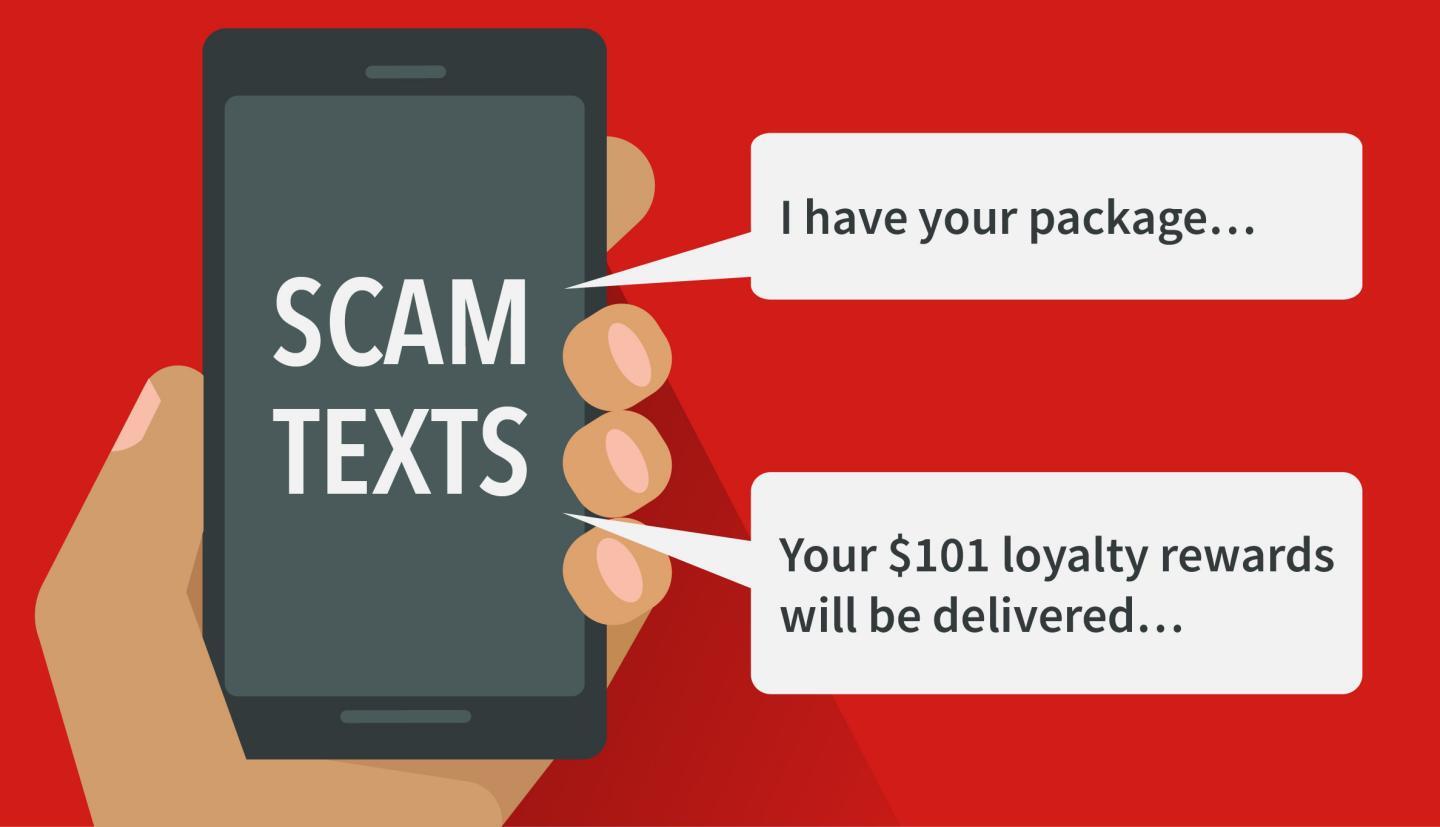
In February 2025 alone, Americans received about 19.2 billion spam texts.
Text and messaging scam attempts jumped 50% from 2024 to 2025, according to a recent Consumer Reports study.

Text messages make up a signifcant portion of spam channels
Today, we’re breaking down how to instantly recognize a scam text, before you even think about tapping the link.
If you’ve ever dreamed about writing a book but never knew where to start, Melanie Sterling has something you’ll love.
She’s giving away her free 3-Step Guide to Publish Your Lead-Generating Business Book — a quick, no-fluff resource that helps people turn their expertise into a published book without writing a single word.
It’s perfect for anyone who’s been sitting on a half-finished draft (or just an idea).
👉 Get Melanie’s free 3-Step Guide here.
The 5 Red Flags
Scam texts all serve one purpose: to trick you into revealing personal information. That might be your Social Security number, bank details, or email password. Once scammers have that data, they can slip straight into your accounts.
Here are 5 red flags to instantly spot a spam text.
🚩 1.) It’s not relevant to you
If the message feels random — a package you never ordered, a prize you never entered for, or an invoice you don’t recognize, it’s almost always fake.
🚩 2.) It Wants You to Act Right Now
Scammers thrive on urgency. They’ll say your account is locked, your boss needs something “immediately,” or your prize expires soon.
Legitimate companies and government agencies never demand instant action over text.
🚩 3.) It’s Full of Mistakes
If you see bad grammar, awkward phrasing, or weird spacing like “Your a winner! Congradulations!”, it’s a red flag.
🚩 4.) The Number (or Link) Looks Off
Most scam texts come from long, unverified numbers or include sketchy links like bil.ty/paynow or fedex-alerts.co.
If the link doesn’t match the official company domain, don’t touch it.
🚩 5.) The Branding Feels “Almost” Right
Fake texts often copy real companies — but not perfectly.
Misspelled names (Ammazon.com), extra digits (www1.royalbank.com), or strange subdomains are all giveaways.
Common SMS Scams
1.) The Bank Account Locked Scam
“Alert: Your Chase Bank account has been temporarily suspended due to suspicious activity. Please verify your login at chase-secure-verify.com to restore access.”
Scammers use fear to push instant action. The link looks official but leads to a fake login page that steals your credentials or card info.
Tip: Your bank will never text you asking to confirm personal details or passwords.
2.) The Missed Package Delivery Scam
“We tried to deliver your parcel but need address confirmation. Reschedule now at ups-track-portal.net.”
This one preys on how common online shopping is. It looks harmless, but that link can download malware or open a phishing page asking for your credit card.
Tip: Always check your package status directly through the retailer or carrier’s app.
3.) The Prize or Giveaway Scam
“Congrats! You’re our lucky winner of a free $1,000 Costco gift card! Claim now at costco-rewards-today.com.”
Free money is a classic hook. The misspelled link and sense of urgency are instant red flags.
Tip: If you didn’t enter a contest, there’s no prize.
4.) The Account Subscription Scam
“Apple ID: Your iCloud storage plan renewal of $129.99 failed. Update your payment info at apple-billing-help.com to avoid account suspension.”
Tip: Go straight to your account settings in the official app. Never update payment info through a text link.
Takeaways
If you get a suspicious text — don’t click, don’t reply, and don’t panic.
Delete the message, block the number, and report it as spam if your phone gives the option. When in doubt, go straight to the company’s official website or app to verify anything important.
If you found this useful, share it with a friend who’s one sketchy “delivery” text away from getting scammed.
See you next Saturday for another issue 👋